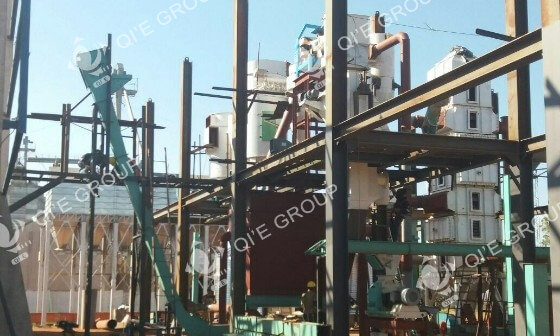
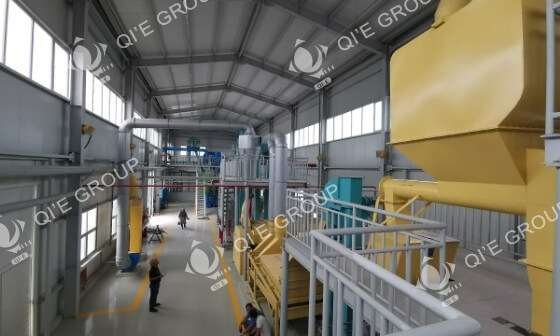
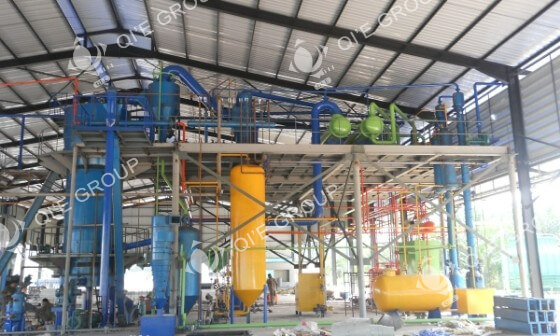
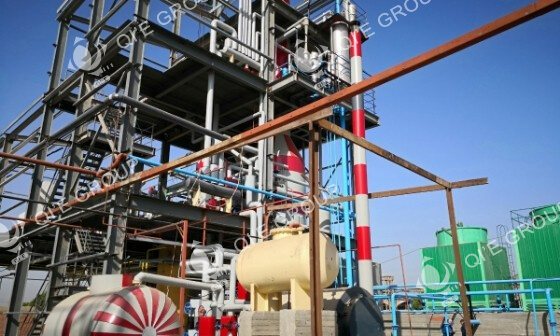
A Complete Guide to Peanut Oil Production Line
The complete groundnut oil production line offers high efficiency with low oil loss and a high oil yield rate. It includes advanced processes like magnetic separation, solvent extraction, and oil refining to ensure premium quality edible oil. Certified by CE and ISO, it ensures compliance with international safety standards, providing market access and reliability for global buyers.
Capacity: 10tpd-1000tpdDue to its unique flavor and nutritional value, peanut oil has become one of the edible oils favored by consumers. Its production process involves multiple links such as raw material processing, oil pressing, refining and purification, storage and packaging, which require the combination of automated equipment and refined operations to ensure quality. The following will comprehensively analyze the design and operation of modern peanut oil production lines from the aspects of process flow, key equipment and technical characteristics.
Peanut oil, known for its rich flavor and high smoke point, is a favorite in kitchens around the world. Behind every drop of golden, pure peanut oil lies a precise and carefully managed production process. Whether you're looking to start an edible oil business or upgrade your current production line, understanding the key steps in peanut oil production is essential for achieving premium quality and high efficiency.
Peanut Oil Production Line Process

Pre-treatment of peanuts
Pretreatment is the basis for ensuring the quality of peanut oil, mainly including the following steps:
- Cleaning and screening: remove impurities (such as stones, metal fragments) and moldy kernels in peanuts through equipment such as vibrating screens and magnetic separators to ensure the purity of raw materials.
- Shelling and grading: Use a shelling machine to remove the peanut shell, and use a grading screen to classify the peanut kernels by size. Large peanuts are mostly used in hot pressing to retain the flavor, while small peanuts are suitable for cold pressing or leaching.
- Crushing and steaming: crush the peanut kernel into 4-6 pieces to increase the surface area; then control the temperature (about 120-130℃) and time (30-40 minutes) in the steaming pan to denature the protein and rupture the oil cells, which is convenient for subsequent pressing.

2. Pressing oil extraction
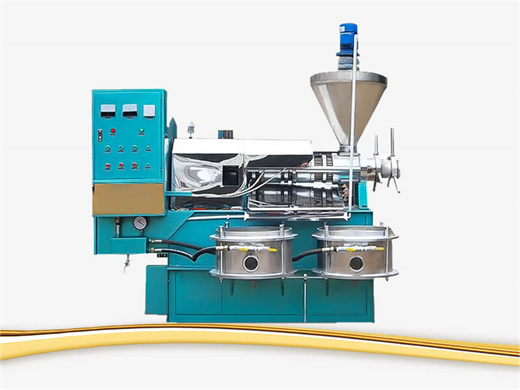
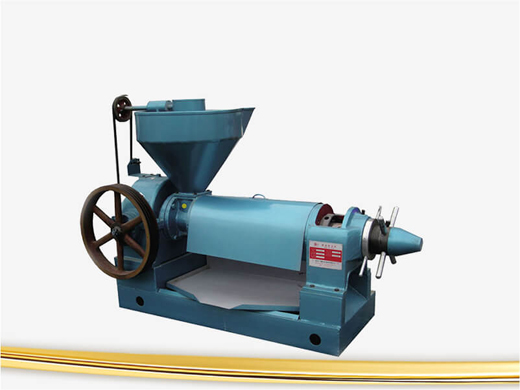
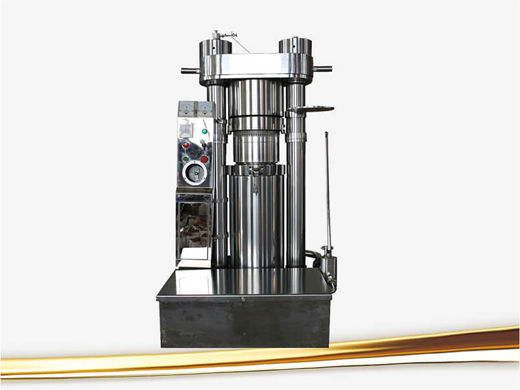
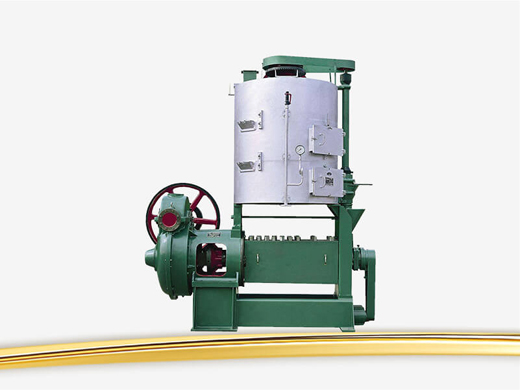
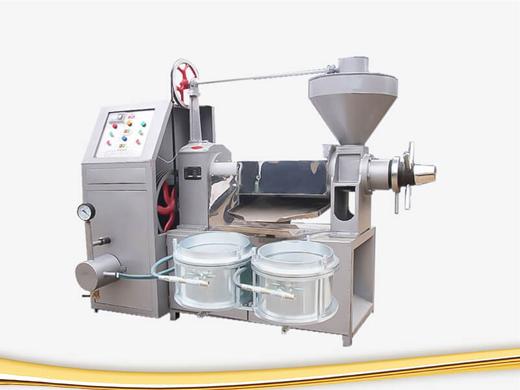
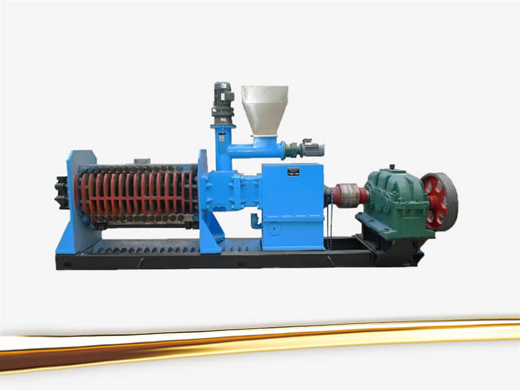
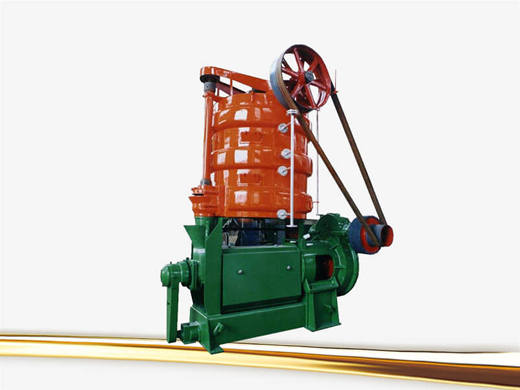
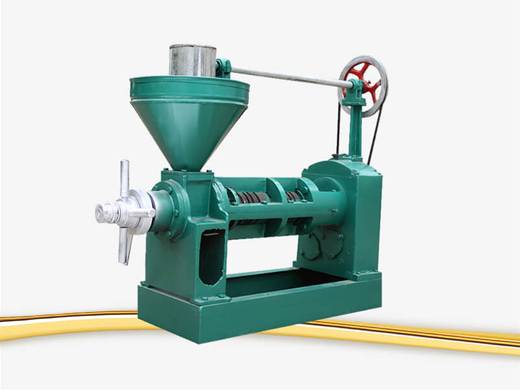
The production process of peanut oil is different, and the peanut oil extraction machine cost is also different. The production process of peanut oil mainly includes physical pressing method and chemical leaching method. Next, I will introduce to you peanut oil extraction machine prices corresponding to different production processes.
The common production process of peanut oil is physical pressing, which is suitable for peanut oil pressing plants with a processing capacity of less than 50 tons per day. If the processing capacity is larger, the chemical solvent extraction method for oil extraction is more economical, the oil yield is higher, and the machine price is more expensive. Because the leached oil must be refined to remove chemical residues to meet edible requirements. If 50 tons of peanut seeds are to be processed per day, a pretreatment workshop, a solvent extraction workshop and a refining workshop are required, the total cost of the machine is about $600,000.

3. Refining for peanut oil production line
Refining is a key link in improving the safety and taste of oil products, and includes the following steps:
- Degumming: add phosphoric acid or citric acid to neutralize colloids such as phospholipids, and remove them by centrifugation to reduce the risk of oil oxidation.
- Deacidification: Use alkali refining to neutralize free fatty acids, reduce acid value, and improve oil stability.
- Decolorization: Use activated clay or activated carbon to adsorb pigments (the addition amount is 1%-2.5% of the oil weight) to make the oil appear clear and light yellow.
- Deodorization: Distill at high temperature (240-260℃) and vacuum conditions to remove odor substances and retain the natural aroma of peanut oil.
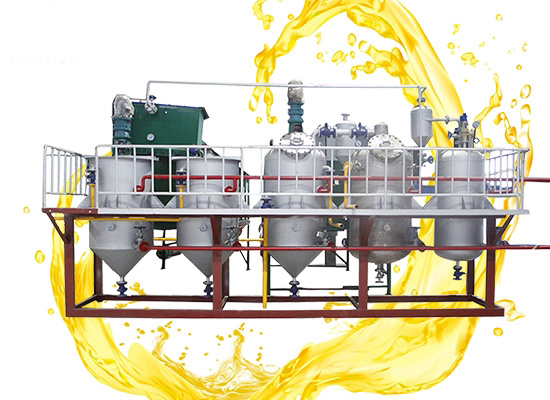
Peanut Oil Refinery Line
Type1: Batch Type Peanut Oil Refining Machine
Processing Capacity: 1-20t/d
Suitable for small peanut oil produciton line
Advantage: Low Investment, Small Footprinet, Easy to Operate
Type2: Semi Continuous Peanut Oil Refining Machine
Processing Capatiy: 5-50t/d
Suitable for medium scale peanut oil produciton line
Advantages: The deodorization section is carried out continously, Higher efficiency, better effect

Type3: Fully Continuous Peanut Oil Refining Machine
Processing Capactiy: >30t/d
Suitable for medium and large peanut oil produciton line
Advantage: The whole peanut oil refining process is fully continuous, high degree of automation, high production capacity, low labor cost.

Medium Scale Peanut Oil Production Line
Capacity: 10-100t/d
Suitable for peanut oil mill plant and high oil content oilseeds (Sunflower, Soybean, Cotton Seeds, Rapeseed, Castor Seeds, etc)

Technical characteristics and innovations of the production line
1. Efficient automation and intelligence
The modern production line integrates a PLC control system to monitor parameters such as temperature and pressure in real time and automatically adjust the operating status of the equipment. For example, the temperature fluctuation in the steaming and frying process can be controlled within ±2℃, which significantly improves the oil yield and oil consistency.
2. Energy-saving and environmentally friendly design
- Energy recovery: The heat energy generated by the pressing section is recycled through the heat exchanger to reduce energy consumption.
- Wastewater and waste gas treatment: The refining wastewater is discharged in compliance with the standards after acid-base neutralization and precipitation; the volatile substances in the deodorization section are recovered by condensation to reduce environmental pollution.
3. Special process optimization
- Fragrant peanut oil process: High-temperature short frying (180-200℃) is used to stimulate the peanut aroma, and the deodorization time is reduced in the subsequent refining to retain the flavor to meet the needs of the high-end market.
- Aflatoxin prevention and control: Spectral detection technology is used to remove moldy peanuts in the raw material screening stage, and adsorbents and ultraviolet treatment are combined during refining to further degrade toxins to ensure food safety.

3. Future development trends
With the growing demand for healthy oils and fats from consumers, the peanut oil production line will develop in the following directions:
1. Green refining technology: Promote physical refining (such as membrane separation technology) to replace chemical methods and reduce the use of additives.
2. Intelligent upgrade: Introduce AI algorithms to optimize process parameters and achieve predictive maintenance and fault diagnosis.
3. Flexible production: Develop modular equipment to support small-batch customized production (such as organic peanut oil, cold-pressed oil).
Conclusion
The core of the peanut oil production line is to balance efficiency and quality through the combination of refined processes and advanced equipment. From raw material pretreatment to finished product filling, strict control of each link is the key to producing safe and healthy edible oil. In the future, with technological innovation, the peanut oil industry will be more efficient and environmentally friendly to meet diversified market needs.