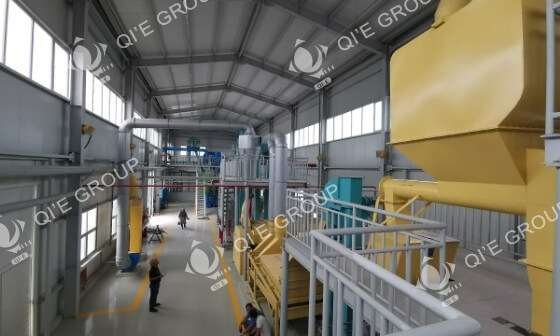
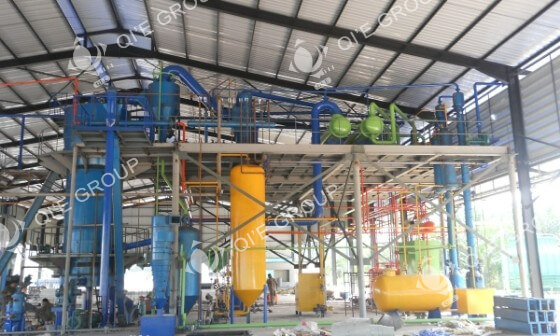
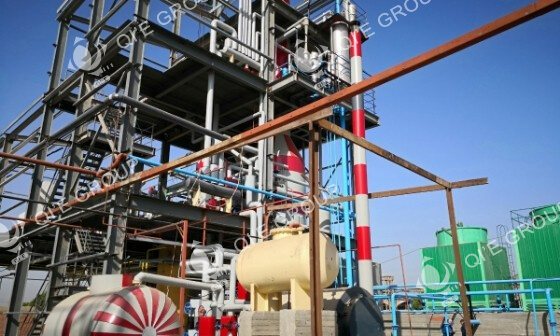
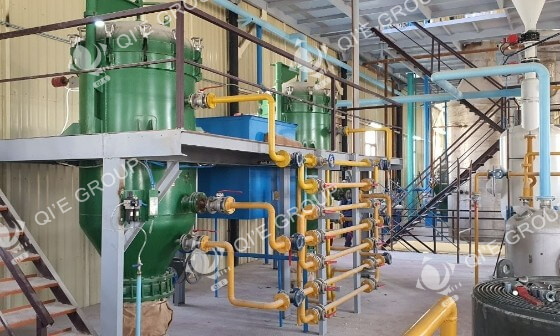
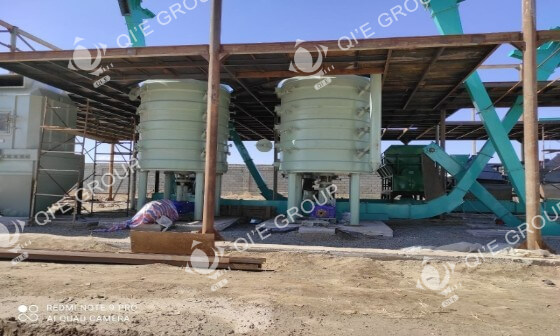
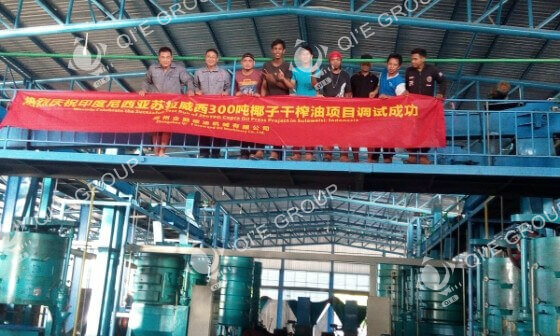
Small Scale Coconut/Copra Oil Production Line
Coconut oil, often called copra oil when extracted from dried coconut meat (copra), is a versatile fat used in foods, cosmetics, and soaps, known for its high saturated fat content and lauric acid, melting around 74-92°F (23-33°C) and solidifying into a white, creamy substance, with processed versions (refined) differing from unrefined (virgin) by nutrient content and flavor.

A small-scale coconut/copra oil production line is a compact, cost-effective setup designed for small businesses, rural cooperatives, or home-based entrepreneurs, with a daily processing capacity typically ranging from 1–20 tons of raw material (fresh coconut meat or dried copra). It balances simplicity, low investment, and stable oil yield, making it ideal for regions abundant in coconuts.
Small Scale Coconut/Copra Oil Production Line Process
Copra oil extraction is divided into 4 parts:
raw material pretreatment → oil press equipment→ copra oil refinery → storage and canning
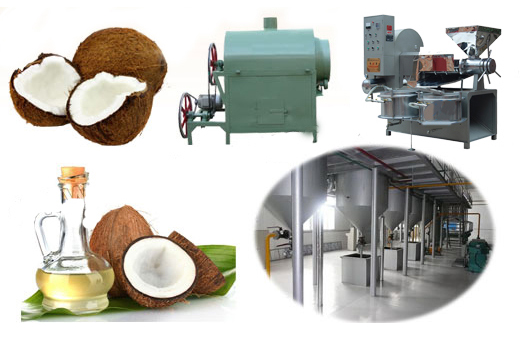
Pretreatment of raw materials:
Coconut peeling → Plucking machine→ Sheller →Coconut meat crusher
Coconut peeling
This coconut husk remover peeling machine has the advantages of simple structure, low price, continuous removal of'coconut palm, convenient operation and easy maintenance. The stripping knife head on the squeeze roller is made ofhard alloy material, which is strong and durable. The stripping roller is equipped with a coconut palm rejection device to prevent the peeled coconut palm from rotating with the stripping roller. Transport the peeled coconut palm to one side, which is convenient and quick.
Plucking machine
Industrial coconut sheller brown skin peeler coconut sheller, The coconut plucking machine is mainly suitable for the brown fber
removal of old coconuts. The workingng principle of coconut hair removal machine: the old coconut enters the machine, and passes through a special peeling roller to make the coconut peel off.
Sheller
This machine is especially designed for shelling different size coconut in range, by using the roller cutter to remove the outside coconut hard shell, it’s easy to operate. This machine is mainly composed ofcutter head, cutter tooth, transmission parts, rack, ete. Put the coconut slowly inclined to deal with the shell on the cutter disc, gently rotating the coconut, until the surface shell be removed cleanly. Whole machine is made ofstainless steel, beautiful appearance, long service life.
Coconut meat crusher
This machine is used to grind the coconut meat into fine particle. The feeding material can't be big. This machine is suitable for grinding block coconut meat
get the granular coconut meat.This machine pieces,and consists of feed hopper,feed direction,blade,abrasive disc,shaft, bearing,hopper,belt pulley,motor,frame and other parts.It is made of full stainless steel and it hassimple structure with advanced technology.
Bucket elevator
This equipment is a conveying equipment, and the specific height needs to be determined after the customer provides the factory drawing, storage bin position, machine placement position and other factors. The table shows the number of hoists required for all parts of the project.
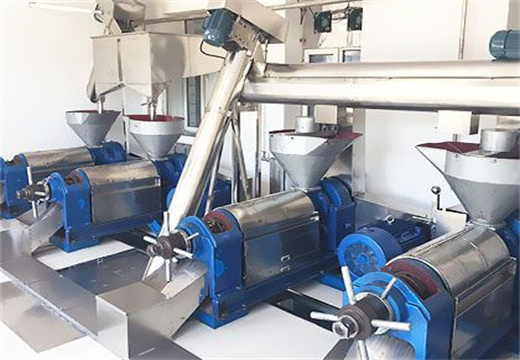
Coconut Oil Press
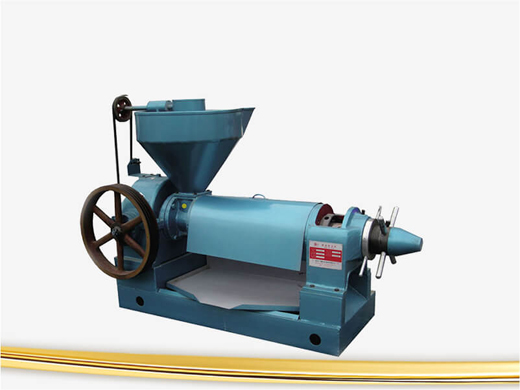
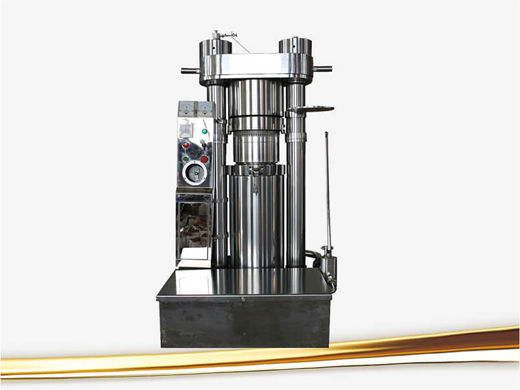
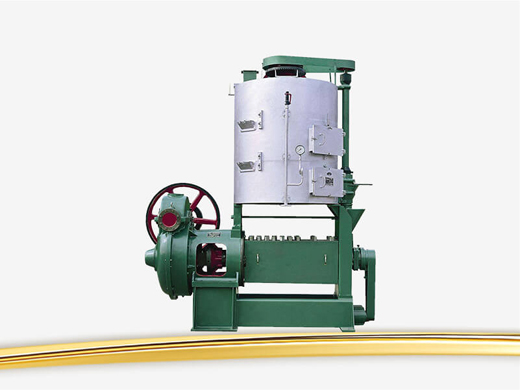
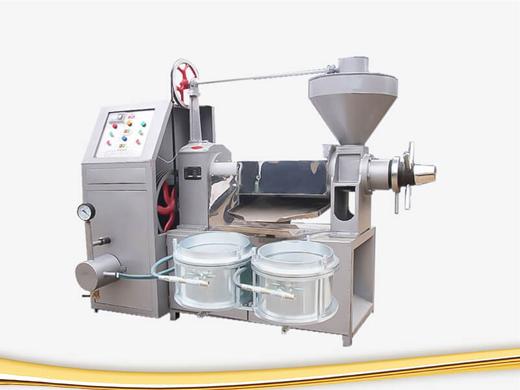
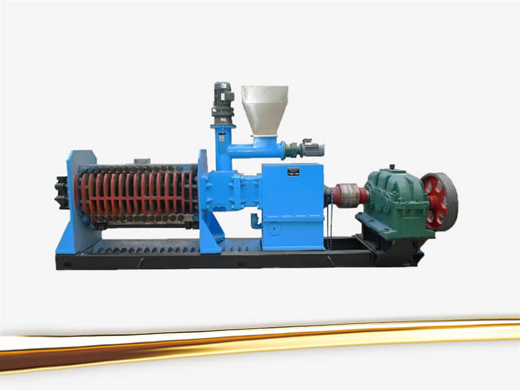
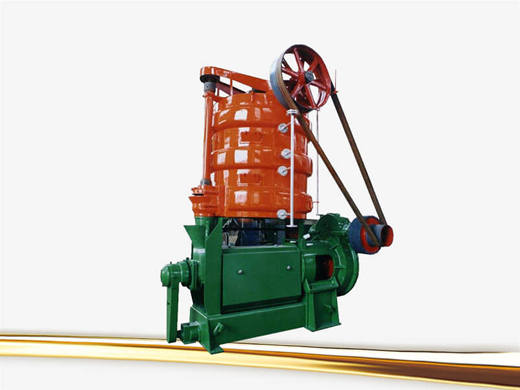
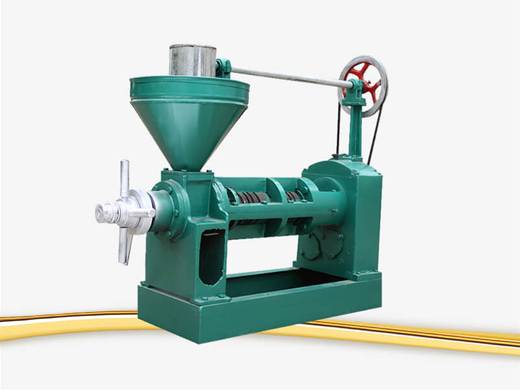
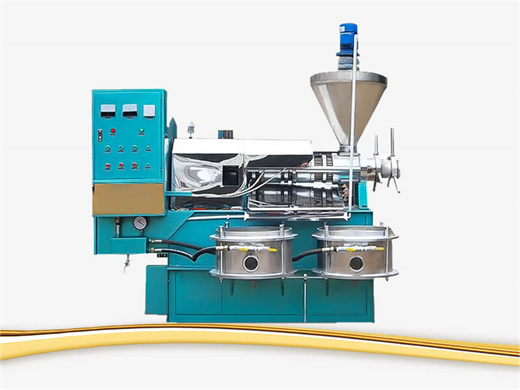
Screw type oil press expeller that makes use of the mechanical pressure to extract oil out from the raw materials. It is easy to operate and maintenance, which makes it the top choice for small scale oil making business workshops. The main structure of coconut oil extraction expeller is feeder, gear box, pressing cage and machine base.
Filtration & Refining (Optional)
Filter the crude oil to remove impurities. For edible copra oil, a simple refining step (degumming, deacidification) can be added to improve clarity and shelf life.
Key Equipment for Small-Scale Small Scale Coconut/Copra Oil Production Lines
The equipment is modular, so entrepreneurs can choose configurations based on budget and output:
| Equipment Type | Function | Applicable Scenario |
|---|---|---|
| Coconut Sheller/Grater | Remove shells and grate coconut meat | Fresh coconut processing |
| Copra Cutter | Shred dried copra into flakes | Copra processing |
| Screw Oil Press (Cold/Hot) | Core oil extraction equipment; cold press for VCO, hot press for copra oil | All small-scale production |
| Filtration System (Frame/Centrifugal) | Remove solid impurities from crude oil | Improve oil purity |
| Small Dryer | Dry grated coconut meat (moisture to 10–12%) if switching to hot pressing | Flexible raw material processing |
| Packaging Machine | Manual or semi-automatic bottle filling | Final product packaging |
Advantages of Small-Scale Coconut/Copra Oil Production Line
- Low Initial Investment: The total cost of basic equipment ranges from $5,000–$20,000, far lower than large-scale industrial lines.
- Simple Operation & Maintenance: Most equipment is semi-automatic; no professional technical team is needed, suitable for rural operators.
- High Product Flexibility: Can switch between VCO and copra oil production by adjusting processes, adapting to market demand changes.
- Environmentally Friendly: No chemical solvents are used in cold-pressing; by-products (coconut pulp, cake) can be reused as animal feed or organic fertilizer.
Global Coconut Oil Production by Country
The Philippines is the world's largest supplier of coconut oil, followed by Indonesia, India, Viet Nam, Mexico, Sir Lanka, Papua New Guinea, Thailand, Malaysia.
| Rank | Country | 2018 Production (1000 MT) |
|---|---|---|
| 1 | Philippines | 1,730.00 |
| 2 | Indonesia | 890.00 |
| 3 | India | 460.00 |
| 4 | Viet Nam | 180.00 |
| 5 | Mexico | 137.00 |
| 6 | Sri Lanka | 44.00 |
| 7 | Papua New Guinea | 42.00 |
| 8 | Thailand | 31.00 |
| 9 | Malaysia | 25.00 |
| 10 | Côte D'ivoire | 20.00 |
What are the Benefits of Coconut Oil?
Coconut oil offers a range of health, culinary, and household benefits, largely attributed to its unique composition of medium-chain triglycerides (MCTs)—a type of fat that the body processes differently from long-chain fats found in most other oils.

1. Health Benefits
Rapid energy source: MCTs in coconut oil are digested quickly and transported directly to the liver, where they are either used for immediate energy or converted into ketones. This makes coconut oil a popular choice for people following keto or low-carb diets, as ketones can fuel the brain when glucose is limited.
Supports heart health (in moderation): While coconut oil is high in saturated fat, many of these are lauric acid (a medium-chain fatty acid). Lauric acid may help increase levels of HDL ("good" cholesterol) in the blood, which can support overall heart health. However, it is still high in calories, so moderation is key.
Boosts immune function: Lauric acid is converted in the body to monolaurin, a compound with antiviral, antibacterial, and antifungal properties. Monolaurin may help fight pathogens like the flu virus, candida, and certain bacteria.
Aids digestion and gut health: MCTs are easier to digest than long-chain fats, making coconut oil gentle on the stomach. It may also help support the growth of beneficial gut bacteria, promoting a healthy gut microbiome.
2. Culinary Benefits
High smoke point: Refined coconut oil has a smoke point of around 230°C (450°F), making it suitable for high-heat cooking methods like frying, sautéing, and baking. Unrefined (virgin) coconut oil has a lower smoke point (~177°C/350°F), ideal for low-heat cooking or as a flavor enhancer.
Neutral or rich flavor options: Refined coconut oil has a mild, neutral taste that won’t overpower dishes, while virgin coconut oil has a distinct, fresh coconut aroma—perfect for adding flavor to curries, smoothies, or baked goods.
Long shelf life: Coconut oil is naturally stable and resistant to rancidity, even without preservatives. It can be stored at room temperature for up to 2 years.
3. Skincare and Haircare Benefits
Moisturizes skin: Coconut oil is a natural emollient that penetrates the skin to lock in moisture, making it effective for dry skin, eczema, or psoriasis. It is gentle enough for sensitive skin and can be used as a body lotion, lip balm, or makeup remover.
Nourishes hair: It acts as a deep conditioner, repairing damaged hair follicles and reducing split ends. Applying coconut oil to hair before washing can help prevent protein loss and add shine. It also works as a scalp moisturizer to soothe dry, itchy scalps.
Natural sunscreen (limited protection): Virgin coconut oil provides a small amount of sun protection (SPF 4–5), but it should not be used as a replacement for regular sunscreen—it works best as a complementary moisturizer for sun-exposed skin.
Small Scale Coconut/Copra Oil Production Line FAQ
Q: What's the difference between VCO (fresh coconut) and copra oil processes?
A: VCO: Fresh coconut → husk/shell → grate → cold-press (<45°C) or wet-press → filter/settle (no chemicals, retains nutrients).
Copra oil: Dried copra (≤6% moisture) → crush → heat (60–80°C) → hot-press → filter → optional simple refining (deacidification/bleaching).
Q: What's the expected oil yield?
A: Copra: 60–65% (hot-press, well-dried copra).
Fresh coconut meat: 30–35% (cold-press); wet-press yields ~25–30% oil from coconut milk.
Q: What essential machines are needed?
A: A typical small-scale coconut oil production line (1–20 tons/day) includes:
Crusher/Hammer Mill: To break large copra blocks into smaller pieces.
Steam Cooker: For thermal conditioning.
Screw Oil Press: The primary extraction unit.
Plate & Frame Filter Press: For purifying the extracted oil.
Conveying Systems: Belt conveyors are preferred for copra to prevent blockages.
Q: How much oil can be extracted?
A: Copra generally has an oil content of 50–60%. After pressing, the remaining "oil cake" (copra meal) usually retains about 7–8% oil.
Q: Why is refined oil preferred for copra?
A: Crude oil from copra can contain impurities, mold, or odors from the drying process. Refining makes it odorless, colorless, and shelf-stable for food and cosmetic use.