100TPD Cottonseed Oil Mill Plant
The 100TPD (Tonnes Per Day) Cottonseed Oil Mill Plant is a medium-scale, industrial-grade oil processing production line designed for continuous and efficient extraction of edible cottonseed oil from cottonseed kernels, with a daily processing capacity of 100 metric tonnes of raw cottonseed materials. This plant integrates a full set of professional processes including cottonseed pre-treatment, oil pressing/ solvent extraction, and crude oil refining, adapting to both small and medium-sized oil processing enterprises and agricultural industrialization projects. It features high oil yield, stable operation, energy efficiency, and compliance with food safety and environmental protection standards, making it a cost-effective solution for cottonseed oil deep processing, and can be customized according to regional raw material characteristics, market demand for oil products (refined oil, crude oil) and local industrial policies.
The Cottonseed Oil Mill Plant adopts a combination of pretreatment + optional pressing/solvent extraction + refining process, which is the most mature and widely used technical route for cottonseed oil processing, ensuring maximum utilization of raw materials and high quality of finished oil.
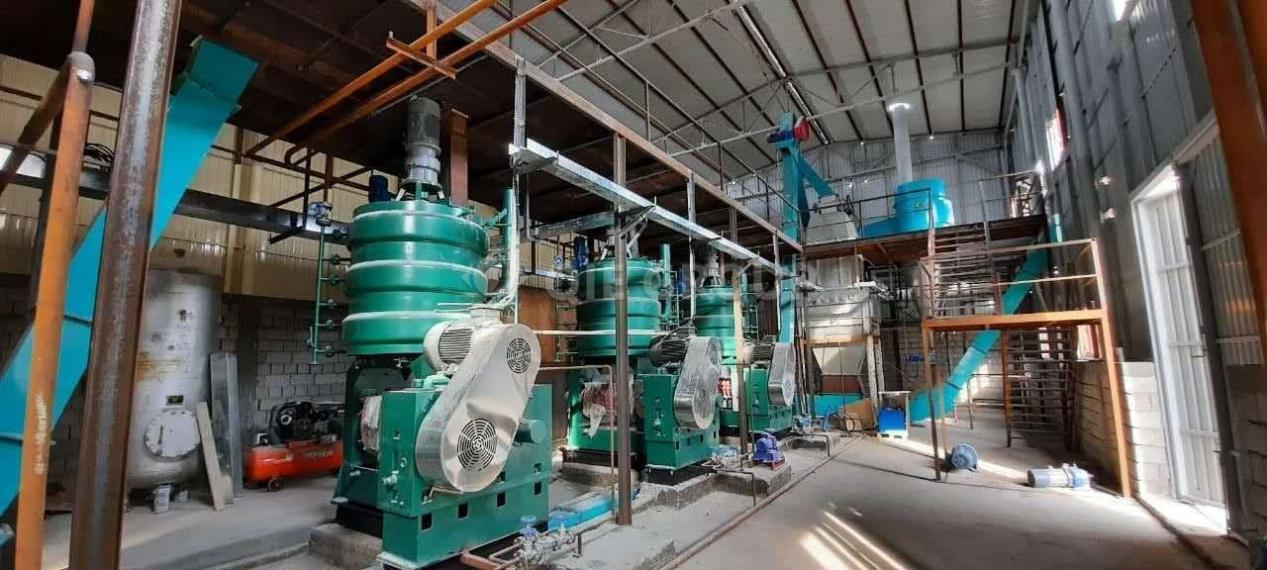
Pretreatment
This section is to remove impurities and process cottonseed into qualified kernels for subsequent oil extraction, solving the problems of high impurity content and hard hull of cottonseed.
Cleaning: Magnetic separation, screening and air separation to remove dust, stone, metal impurities and immature seeds (impurity content ≤0.5% after cleaning).
Dehulling & Separating: Mechanical dehulling (roller mill/hammer mill) and air separation to separate cottonseed hull and kernel (kernel content in hull ≤5%, hull content in kernel ≤8%).
Crushing & Flaking: Crush the kernels into small pieces and flake into thin flakes (flake thickness: 0.3-0.5mm) to increase the contact area for oil extraction.
Cooking & Conditioning: Steam heating and drying to adjust the moisture (6-8%) and temperature (80-90℃) of cottonseed flakes, making the oil cells easy to break and improving pressing/extraction efficiency.
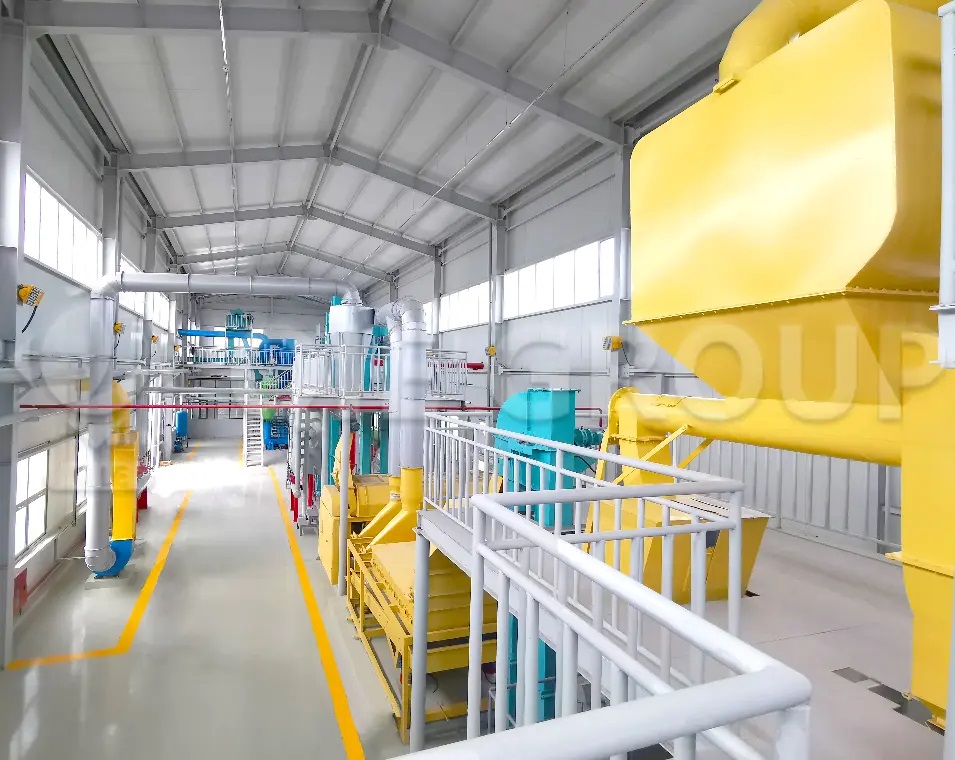
Oil Extraction Section
Two mainstream extraction methods are available for customers to choose according to their investment budget, market demand for oil yield and by-product quality:
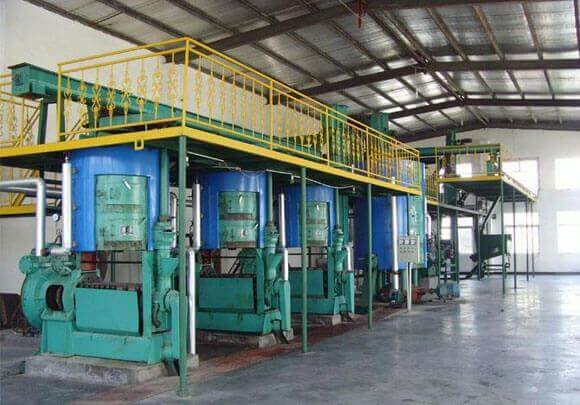
Mechanical Pressing (Cold/Hot Press)
Hot Press: Press the conditioned cottonseed flakes with a screw oil press (continuous spiral press) at 120-130℃, suitable for small and medium-scale production with low investment, simple process and no organic solvent use.
Cold Press: Press at room temperature (25-35℃), retaining more nutritional components of cottonseed oil, with lower oil yield but higher value of cold-pressed crude oil (for high-end edible oil market).
By-product: Cottonseed press cake (oil content: 5-8%), which can be further processed for secondary oil extraction or directly sold as feed.
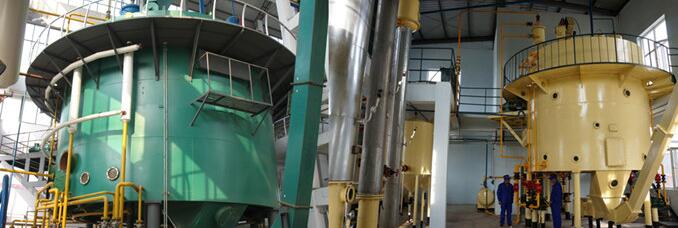
Solvent Extraction (High Yield, for Industrial Large-Scale Production)
The preferred route for 100TPD plant (higher oil yield and economic benefit), adopting hexane (food-grade) as extraction solvent (safe and recyclable):
Extract oil from cottonseed flakes in a countercurrent extractor, obtaining miscella (oil-solvent mixture) and meal with low oil content (≤1%).
Evaporate and strip the miscella to separate solvent and crude cottonseed oil (solvent recovery rate ≥99.5%, recyclable for reuse).
Advantage: Oil yield is 3-5% higher than mechanical pressing; cottonseed meal has high protein content (≥40%), better feed value.
Crude Oil Refining Section
Crude cottonseed oil contains gossypol, free fatty acids, phospholipids, pigments and other impurities (gossypol is toxic and must be removed for edible use), so refining is a necessary process:
Degumming: Remove phospholipids by water degumming or acid degumming (phospholipid content ≤0.05%).
Neutralization: Neutralize free fatty acids with alkali (sodium hydroxide) to reduce acid value (meet edible oil standard).
Decolorization: Adsorb pigments and residual impurities with activated clay/activated carbon at 80-90℃ (decolorization rate ≥90%).
Deodorization: Remove peculiar smell (gossypol, volatile substances) by steam distillation under high temperature (220-250℃) and high vacuum (≤5mmHg), and remove free gossypol to the edible safety standard (≤0.02%).
Optional: Winterization (for high-grade salad oil) to remove wax and improve oil clarity at low temperature.
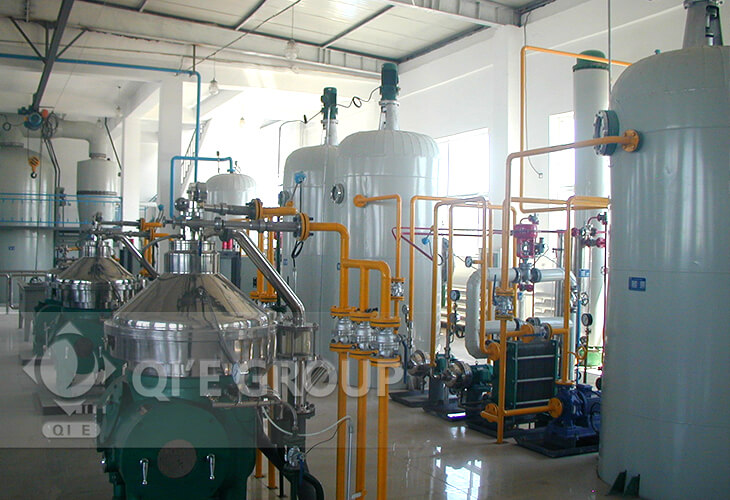
Core Equipment
The 100TPD plant is equipped with standardized, wear-resistant and easy-to-maintain industrial equipment, mainly including (all equipment can be customized with carbon steel/stainless steel according to process requirements):
Pretreatment Equipment
Screening machine, magnetic separator, dehulling machine, kernel-hull separator, screw crusher, flaking machine, steam cooker/conditioner, bucket elevator, conveyor.
Oil Extraction Equipment
Pressing route: Continuous spiral oil press, oil filter machine (plate and frame filter/centrifugal filter).
Solvent extraction route: Countercurrent extractor, miscella evaporator, stripper, solvent recovery tower, meal desolventizer-toaster (DTD).
Refining Equipment
Degumming tank, neutralization tank, decolorization tank, deodorization tower, centrifugal separator, leaf filter, vacuum pump, heat exchanger.
Auxiliary & Supporting Equipment
Steam boiler, water treatment equipment, waste gas/waste water treatment system, storage tanks (raw oil/ refined oil), automatic packaging machine, electrical control cabinet (PLC automatic control optional).
Advantages of 100TPD Cottonseed Oil Mill Plant
High Efficiency & Stable Output: Continuous 24h production, mature process and standardized equipment ensure daily output reaches 100TPD, with low failure rate (equipment availability ≥95%).
High Oil Yield & Raw Material Utilization: Scientific pre-treatment and optional solvent extraction realize maximum oil extraction; cottonseed meal (high-protein feed) increases additional economic benefits (by-product accounts for 60-70% of raw material weight).
Flexible Customization: Support selection of pressing/ solvent extraction route, customization of refining level (primary/ refined/ high-grade salad oil), and adaptation to different fuel types (coal/biomass/natural gas) for boiler, meeting regional resource characteristics.
Energy Saving & Environmental Protection: Solvent recovery rate ≥99.5% (no waste solvent emission); closed-loop water system, low noise equipment, and dust removal system meet national environmental protection and occupational health standards.
Intelligent Operation (Optional): PLC automatic control system can be equipped to realize automatic monitoring of process parameters (temperature, pressure, flow), reduce labor intensity and improve production accuracy.
Food Safety Compliance: All food-contact parts use food-grade stainless steel; refining process effectively removes toxic gossypol and impurities, ensuring finished oil meets national/international edible oil safety standards.
Technical Parameters
| Index | Specification |
|---|---|
| Daily Processing Capacity | 100 TPD (raw cottonseed, adjustable by ±10% according to material quality) |
| Main Raw Material | Cottonseed (moisture content: 8-12%, oil content: 18-25% for standard cottonseed) |
| Expected Oil Yield | 15-20% (of raw cottonseed, depending on pre-treatment and extraction technology) |
| Final Products | Crude cottonseed oil, refined cottonseed oil (edible grade), cottonseed meal (by-product, high-protein feed raw material) |
| Production Mode | Continuous 24h operation (3 shifts) |
| Total Power Consumption | About 350-400 kW/h (excluding boiler power) |
| Boiler Requirement | 1-2 ton/h steam boiler (coal, natural gas, biomass or electricity heating optional) |
| Plant Area | 1,500-2,000 ㎡ (including production workshop, raw material storage, finished product warehouse, auxiliary room; adjustable by layout) |
| Labor Requirement | 15-20 workers (3 shifts) |
| Oil Product Standard | Crude oil: national crude cottonseed oil standard; Refined oil: GB 1537-2003 (China edible cottonseed oil standard) / international edible oil standards (customizable) |
What are the benefits of mechanical pressing vs. solvent extraction for cottonseed oil production?
The choice between mechanical pressing and solvent extraction for cottonseed oil depends primarily on your production scale and target market. For a 100 TPD (ton per day) facility, a combined "pre-pressing + solvent extraction" approach is standard to maximize efficiency.
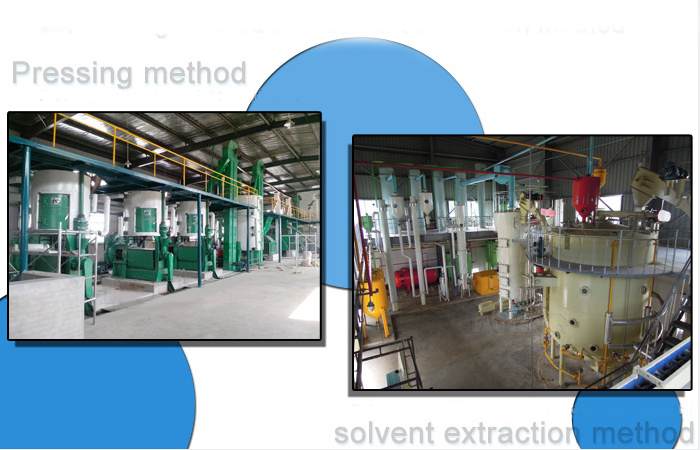
Mechanical Pressing (Expelling)
This method uses physical force (screw presses) to squeeze oil from the seeds.
Benefits:
Chemical-Free: Produces "natural" oil without chemical solvents like hexane, appealing to premium or non-GMO markets.
Lower Initial Investment: Significantly cheaper to set up than solvent plants, making it ideal for small-to-medium operations.
High-Energy Byproduct: The resulting "press cake" contains 5–10% residual oil, making it a high-energy feed source for livestock.
Simplicity: Requires less space and fewer highly trained personnel to operate safely.
Drawbacks
Lower oil recovery (residual oil in cake is 5–10%) and higher per-ton maintenance costs.
Solvent Extraction
This method uses a chemical solvent (typically hexane) to dissolve oil from flaked seeds or pre-pressed cakes.
Benefits:
Maximum Yield: Extremely efficient, reducing residual oil in the meal to less than 1%.
Superior Meal Quality: Produces a high-protein, low-fat meal with very low free gossypol (≤0.006%), increasing its market value by 20–30%.
Automation: Highly automated systems can reduce labor requirements by up to 50% compared to large-scale pressing.
Lower Crude Impurities: Extracted oil often has a lighter color and fewer impurities, leading to lower refining losses.
Drawbacks
High initial capital investment, strict safety requirements due to solvent flammability, and environmental regulations regarding hexane emissions.