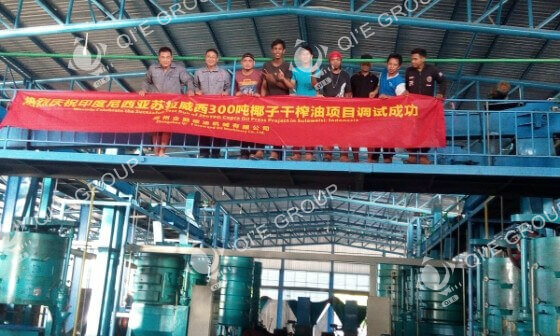
Shea Nut Oil Processing Plant
What is shea oil?
Traditional water extraction, mechanical expeller pressing, and solvent extraction yield shea butter. So, what is shea oil, how is it extracted, and how does it differ from shea butter extraction?
Raw shea butter has a nutty aroma, a yellowish color, and a thick creamy consistency. After extraction, this raw shea butter is often refined, bleached, and deodorized to produce clear, odorless, refined shea butter. These refining processes may also remove some of shea’s beneficial bioactive compounds and unwanted colors and odors.
Once refined, shea butter can be fractionated into two parts: a creamy fat known as shea stearin and a liquid oil called shea olein—otherwise known as shea oil.
Fractionation separates these two unique components using either a chemical reagent or physical methods like centrifugation. This process produces two distinct products with unique applications:
- Shea stearin is often used as an alternative to cocoa butter when making chocolates and other creamy confections like ice creams, sauces, and spreads.
- Shea olein, or shea oil, is used extensively in cosmetic formulations as an effective emollient and a rich source of antioxidants. Shea oil is used in personal care products formulated for both skin and hair because it nourishes, moisturizes, repairs, and protects from damage.
Crude shea butter contains a fairly balanced concentration of oleic acid (46%), a monounsaturated fatty acid, and stearic acid (43%), a saturated fat. This composition contributes to its creamy texture. However, the fractionation process alters this fat profile so that shea oil contains about 59% oleic acid and only 27% stearic acid, which makes it more liquid at ambient temperatures.
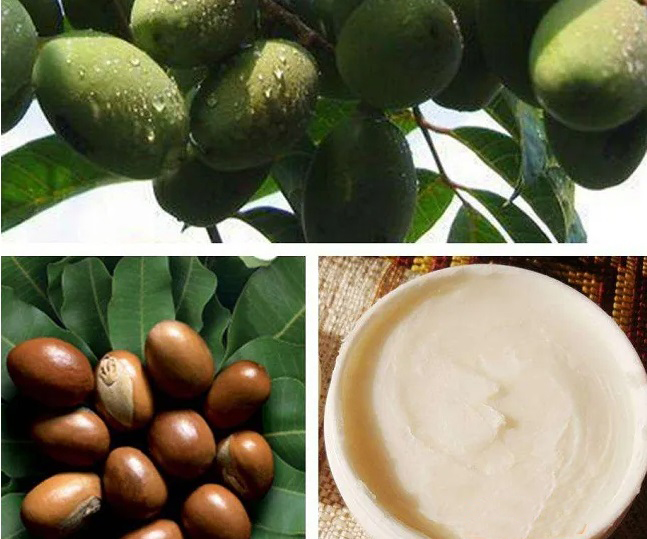
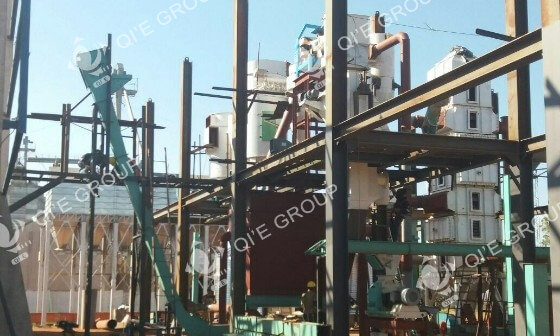
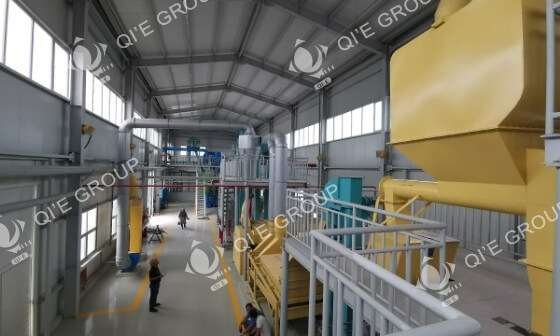
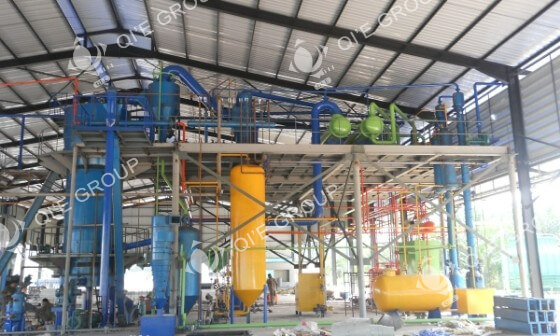
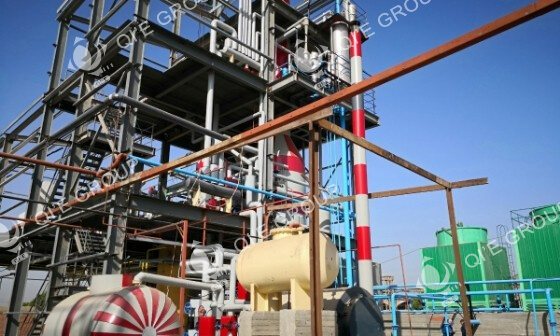
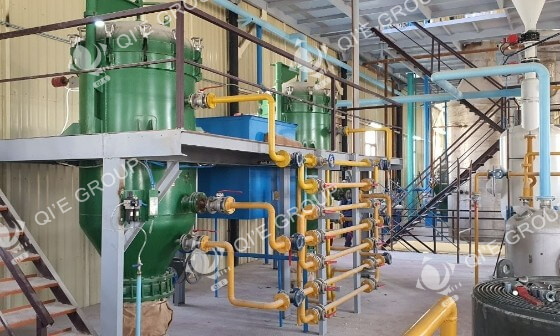
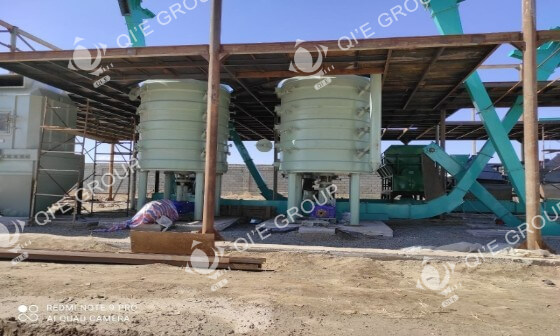
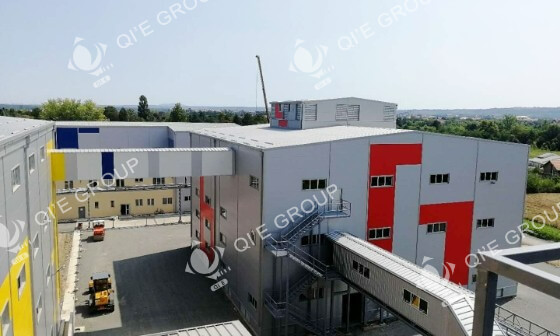
A shea nut oil processing plant extracts oil from shea nuts using methods like mechanical pressing (expellers) or solvent extraction, refining it through filtering, deodorizing, and fractionation for food/cosmetic use, with large-scale facilities in Ghana (like Bunge's) blending automation with community sourcing for sustainable supply chains, offering efficient, scalable operations from small units to industrial levels.

Shea Nut Pre-treatment
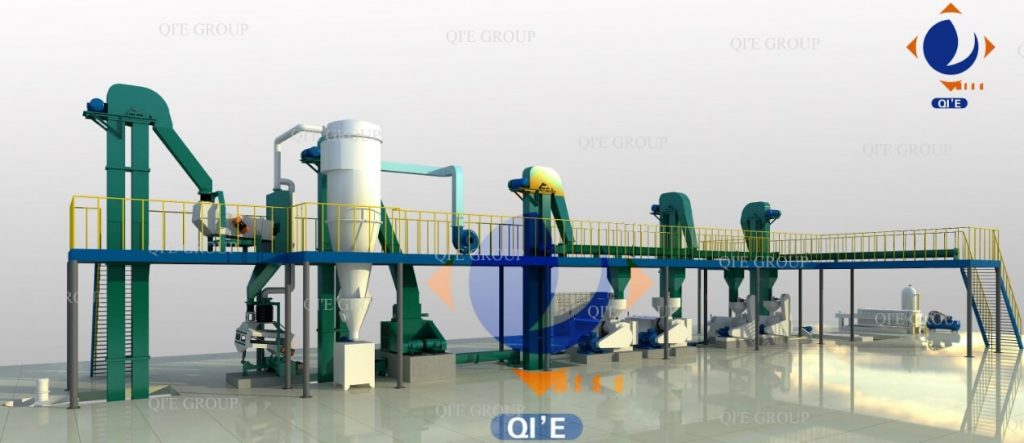
Before extraction, the nuts must be prepared to ensure high yield and oil quality.
Cleaning & Sorting: Removal of dust, stones, and metallic impurities using gravity stoners and magnetic separators.
Boiling/Drying: Raw nuts are boiled to prevent germination and enzymatic degradation, then sun-dried to reduce moisture.
Shelling (Dehusking): Mechanical crackers break the outer shells to release the kernels.
Crushing & Roasting: Kernels are crushed into grits and roasted (typically at 110°C) to rupture cell structures and optimize oil release.
Oil Extraction
Depending on the plant's scale, one of three primary methods is used:
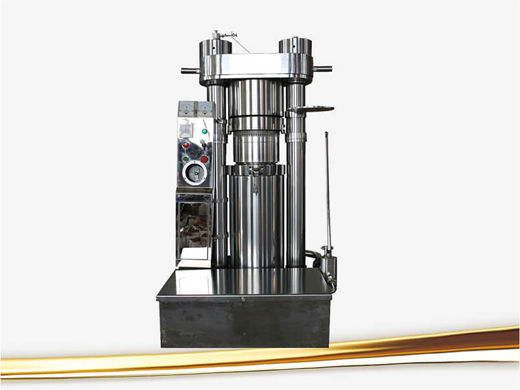
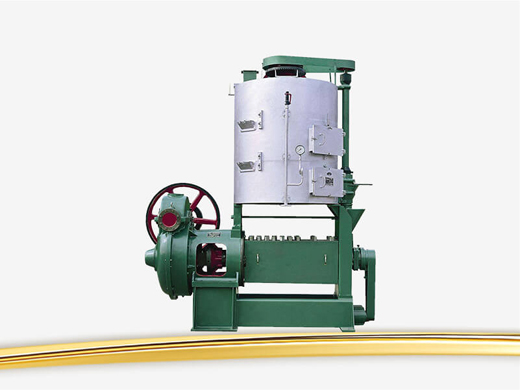
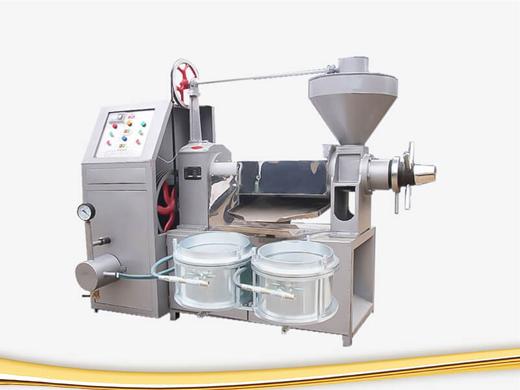
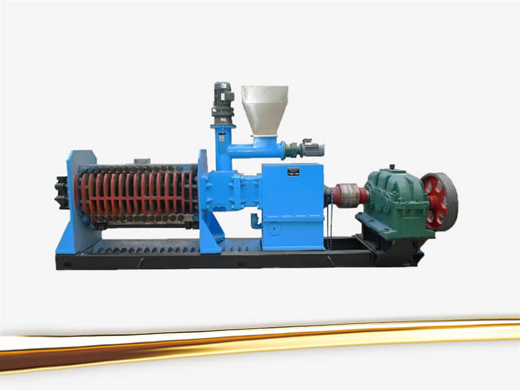
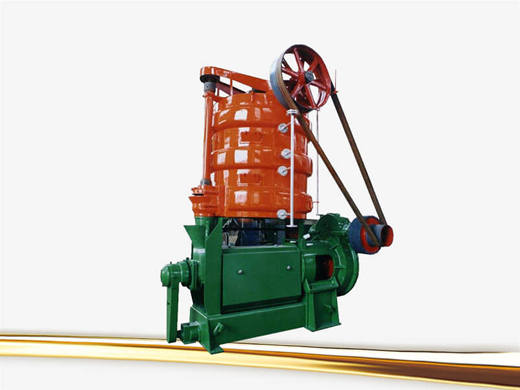
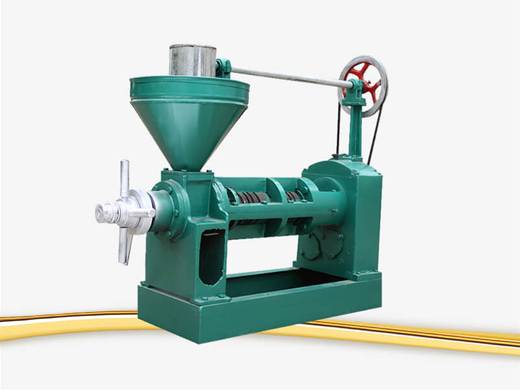
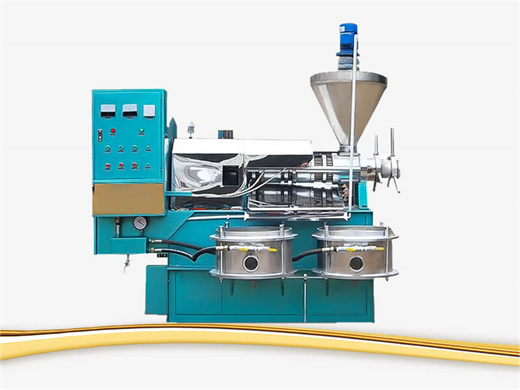
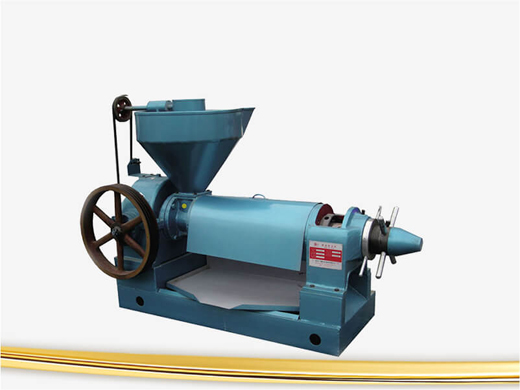
Mechanical Pressing (Screw/Hydraulic): Cleaned kernels are fed into a shea nut screw oil expeller or hydraulic press. This physical method is preferred for "natural" or "cold-pressed" products, retaining bioactive antioxidants.
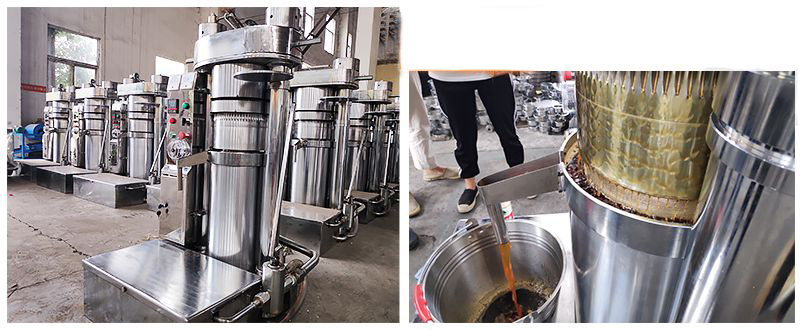
hydraulic press
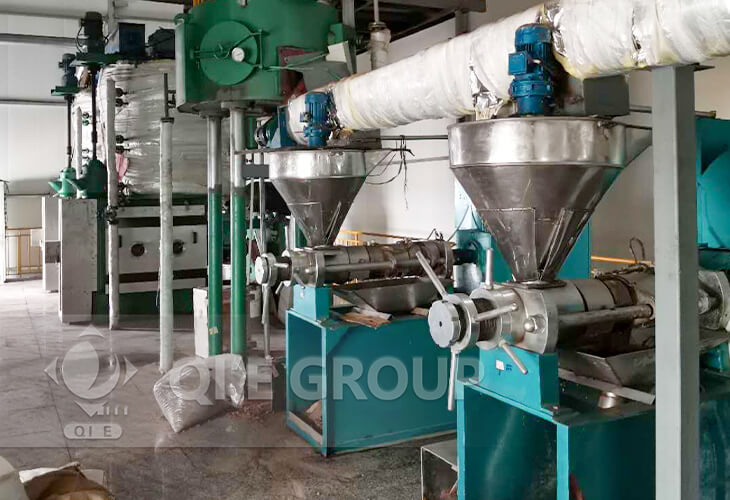
screw expeller
Solvent Extraction: For large-scale industrial plants, chemical solvents like hexane are used to extract up to 98% of the oil from the residual cake.
Water Extraction (Traditional/Semi-Mechanized): Ground kernels are mixed with water, kneaded into a paste, and whipped until the fat separates and floats to the top.
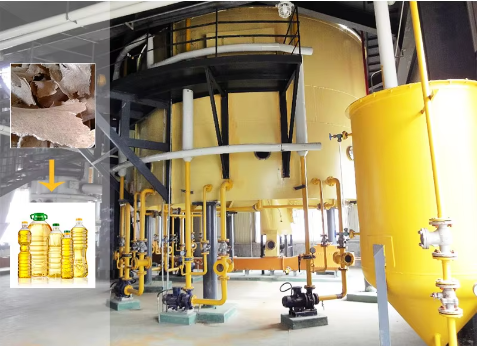
Refining (Optional for Edible/Cosmetic Grade)
Crude shea butter is often refined to meet international standards for food or pharmaceutical use.
Degumming & Neutralization: Phosphoric acid is added to remove gums (phospholipids), followed by neutralization to eliminate free fatty acids.
Bleaching: Activated clay is used to remove pigments and achieve an ivory-white color.
Deodorization: The oil is heated under a vacuum (approx. 240°C–260°C) to strip away odors.
Fractionation: Refined butter can be separated into stearin (solid) and olein (liquid) components for specific industrial applications like chocolate or lightweight lotions.
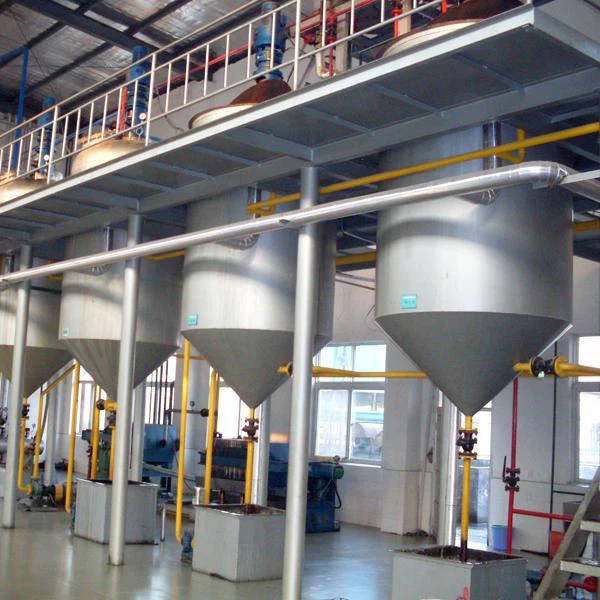
Shea Butter Fractionation Plant
Shea butter has two main components – the stearin (the creamy fat) and the olein (the runny oil). The production of cosmetics mainly uses olein, while the stearin goes into margarines and
chocolates. The process which separates the two components is “fractionation”.
Two methods of fractionation exist – the chemical/mechanical method and physical method. The former requires the creation of a vacuum (airless condition) and applies a chemical reagent to separate the olein from the stearin at different temperatures. After separation, the oily part can then be poured out through decantation or siphoning. The physical process involves a process of sedimentation or a centrifugal method to cause the stearin to separate from the olein. This process, however, proves more difficult when working with the West African shea butter because of the higher ratio of stearin to olein.
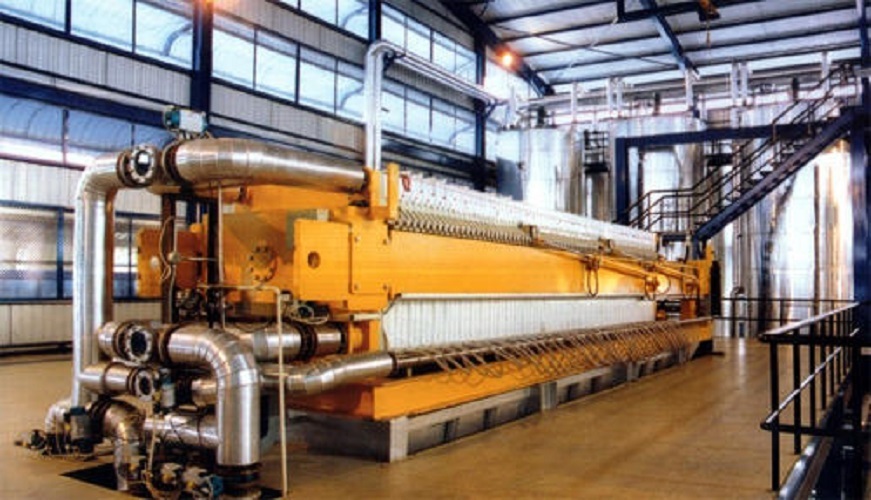
Shea butter production can range from traditional manual methods to fully automated industrial processes, each using specific equipment.
| Process Description | Key Machinery | |
|---|---|---|
| Preparation | Cleaning, drying, and roasting the nuts to remove moisture and make shelling easier. | Shea Nut Roasters, Seed Cleaners |
| Shelling & Crushing | Removing the outer shell to get the kernel, then crushing the kernels into smaller pieces. | Shelling Machines / Crackers, Crushing Machines |
| Kneading/Grinding | Grinding the kernels into a paste, sometimes combined with heat and water in traditional methods. | Butter Grinders / Colloid Mills |
| Oil Extraction | Separating the oil from the solid residue using pressure or chemicals. | Oil Expellers (screw presses or hydraulic presses), Solvent Extraction Units (for industrial scale) |
| Refining & Clarification | Removing impurities to enhance shelf life, color, and texture. | Clarification Tanks, Centrifuges, Oil Refining Machines (neutralization, bleaching, deodorization systems) |
| Packaging | Dispensing the finished butter into containers for distribution. | Shea Butter Packaging/Filling Machines, Labeling and Sealing Machines |
Shea oil and shea butter's global growth potential
Shea oil and shea butter originates from the fruit of a tree that only grows in one area of Africa. The shea tree provides a vital source of income for millions of indigenous women who collect fallen fruit from the wild trees.
Although it represents a smaller market (in terms of volume) compared to other commodity oilseeds and nuts, shea’s enduring popularity and irreplaceable benefits are fueling its growth trajectory over the coming years.
Europe, the fastest-growing consumer of shea, accounts for more than a quarter share of the global market— importing at least 250,000 MT of shea products every year.
Shea Nut Oil Processing Plant FAQ
Q: What is the main raw material required for a shea nut oil processing plant, and what quality standards should it meet?
A: The core raw material is shea nuts (from the Vitellaria paradoxa tree). High-quality shea nuts should be mature (light brown to off-white color), free from mold, rot, or insect infestation, with a moisture content of 8–12% and a fat content of 45–55% to ensure high oil yield and quality.
Q: Is cold-pressed shea nut oil better than solvent-extracted oil, and what’s the difference in processing?
A: Cold-pressed shea oil is generally considered superior for cosmetic/food use. It’s processed at temperatures below 49°C (120°F) via mechanical pressing, retaining natural vitamins (A, E), antioxidants, and fatty acids. Solvent extraction uses hexane to extract oil from kernels, yielding 10–15% more oil but requires additional refining to remove solvent residues; it’s often used for industrial-grade oil.
Q: What equipment is essential for setting up a shea nut oil processing plant?
A: Basic equipment includes: cleaning machine (air separator/sieve), drying machine (sun dryer or mechanical dryer), shelling machine (semi-automatic or automatic), roasting machine, grinder (hammer mill or stone mill), oil press (hydraulic or screw press), filtration machine (plate filter or centrifugal filter), and storage tanks for raw materials and finished oil.
Q: How long does it take to process shea nuts into finished shea oil?
A: The total processing time depends on the scale and equipment: for small-scale plants with semi-automatic equipment, it takes 8–12 hours (from cleaning to filtered oil). For medium-scale automatic plants, the process is streamlined to 4–6 hours per batch. Drying time (if using mechanical dryers) adds 2–4 hours; sun drying may take 1–2 days.
Q: How to store raw shea nuts and finished shea oil to maintain quality?
A: Raw shea nuts: Store in cool (15–25°C), dry, well-ventilated areas in sealed bags (jute or polypropylene) to prevent mold and insect damage; shelf life is 6–12 months. Finished shea oil: Store in dark, airtight containers (glass or food-grade plastic) away from direct sunlight and heat; cold-pressed oil has a shelf life of 12–18 months, refined oil up to 24 months.