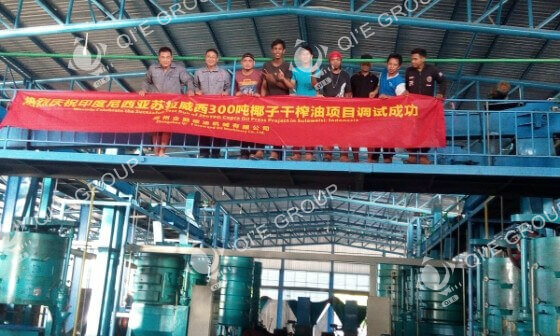
Start a Peanut Oil Processing Plant
Peanut oil, derived from peanuts, is a popular cooking oil known for its high smoke point, making it excellent for frying, searing, and sautéing, while also used in Asian, African, and Indian cuisines for flavor. It offers heart-healthy monounsaturated fats, Vitamin E, and phytosterols, with refined versions being neutral and roasted ones providing a rich, nutty aroma for finishing dishes or adding depth. While refined oil is generally considered safe for most, those with severe peanut allergies should be cautious, as crude/cold-pressed varieties might still trigger reactions.
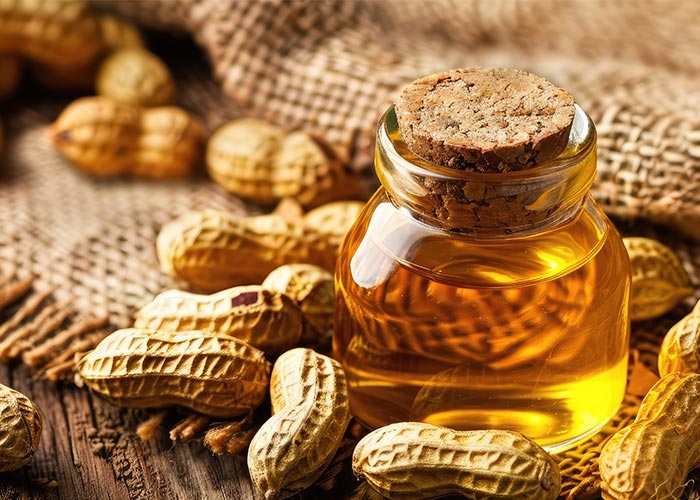
A peanut oil processing plant is a facility that produces peanut oil through a series of processes using peanuts as raw materials.
Peanut Oil Production Process

Peanut Pretreatment
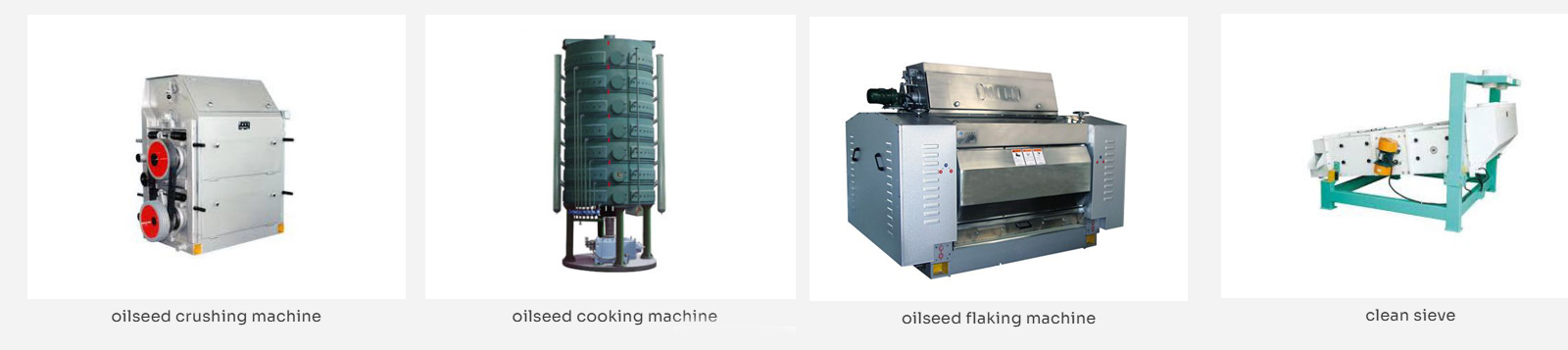
This step aims to remove impurities in the raw materials and change their structural characteristics. It includes magnetic separation to remove metal impurities, cleaning to get rid of soil, stems, leaves, and other debris, shelling to speed up oil yield and improve oil quality, crushing the peanut kernels into small pieces, flaking to destroy oil cells and increase the surface area, and cooking to adjust the moisture, temperature, and plasticity of the embryo.
Cleaning: Remove impurities such as soil, stones, stems, leaves, and metal fragments from raw peanuts using vibrating screens, magnetic separators, and air separators. Metal impurities are particularly harmful to subsequent equipment and must be fully removed.
Shelling and Kernel-Shell Separation: Use specialized peanut shellers to separate peanut shells from kernels. The shell content of peanut kernels after separation should be controlled below 1%, because shells will reduce oil yield and affect oil quality.
Crushing: Crush peanut kernels into small pieces of 4–8 mm to increase the contact area for subsequent processing.
Flaking: Press the crushed peanut pieces into thin flakes of 0.3–0.5 mm using a flaking machine. This step destroys the oil cell structure of peanuts, making it easier for oil to seep out during pressing or extraction.
Cooking (Conditioning): Adjust the moisture and temperature of peanut flakes. The optimal moisture content is 8%–10%, and the temperature is 100–120°C. Cooking can improve the plasticity of the flakes, reduce the viscosity of the oil, and significantly increase the oil yield.
Peanut Oil Extraction
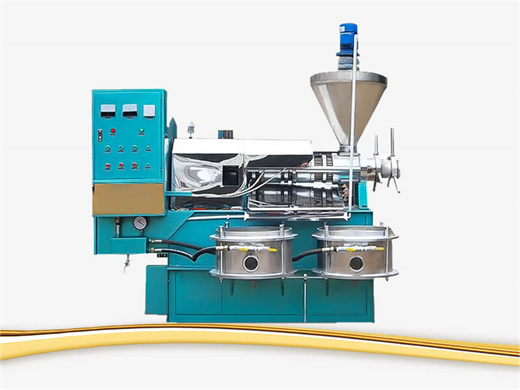
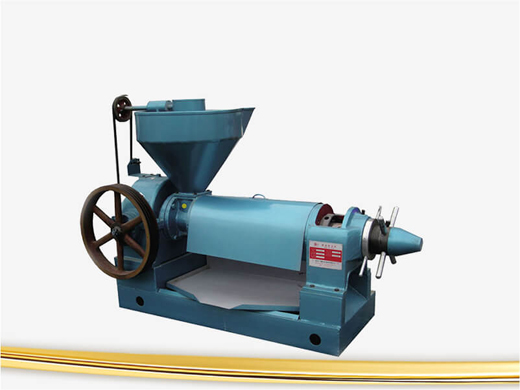
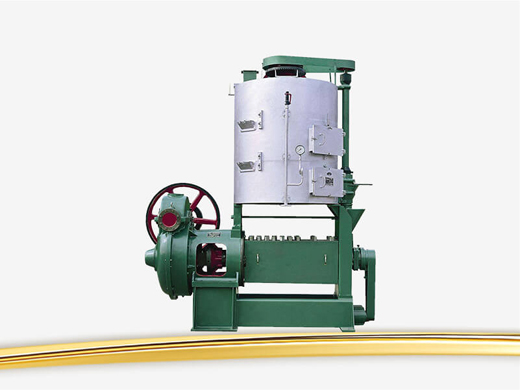
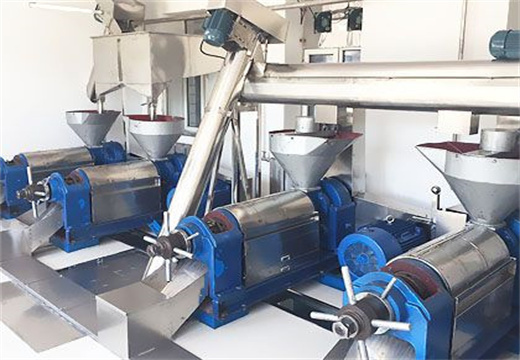
There are two main methods. The mechanical pressing method uses a screw oil press to extract about 70%-80% of the oil content, which is suitable for small to medium-sized plants due to its low initial investment. The solvent extraction method uses solvents like n-hexane to extract up to 99% of the oil, making it ideal for large-scale production.
Mechanical Pressing Process (Physical Extraction)
This is a traditional physical method without chemical solvents, suitable for producing high-grade oil such as cold-pressed peanut oil.
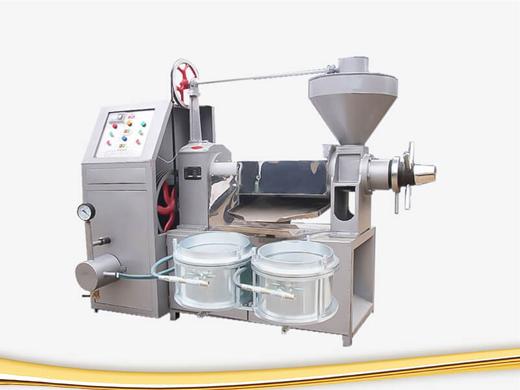
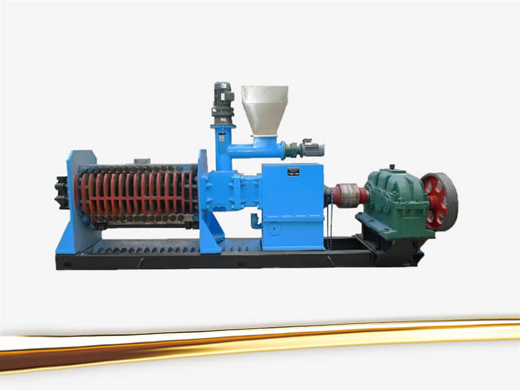
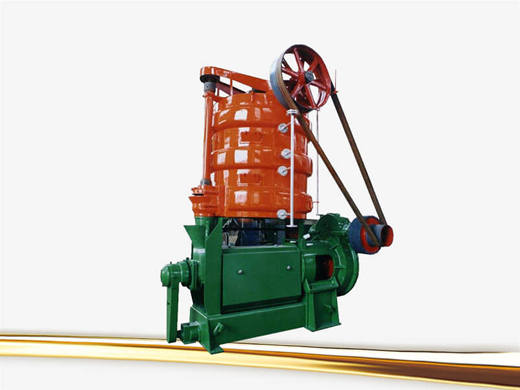
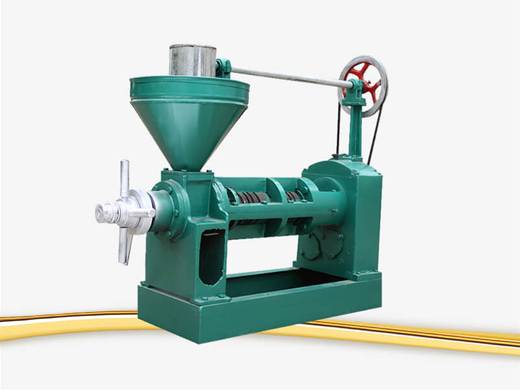
Pressing: Feed the cooked peanut flakes into a screw oil press. The screw shaft rotates to generate strong pressure, squeezing the oil out of the oil cells.
* Cold pressing: The process is carried out at a low temperature (below 60°C), retaining more nutrients such as vitamin E and unsaturated fatty acids, but the oil yield is relatively low (about 60%–70%).
* Hot pressing: Based on the above pretreatment cooking steps, the oil yield is higher (about 70%–80%), and the oil has a rich peanut flavor, which is the mainstream method for edible peanut oil.
Crude Oil Filtration: Filter the pressed crude peanut oil through filter cloth or plate and frame filters to remove solid residues such as peanut meal particles, obtaining primary crude oil.

Solvent Extraction Process (Industrial High-Yield Method)
Used in large-scale oil plants, it can fully extract the oil in peanut meal after pressing, with a total oil yield of up to 99%.
* Pre-pressing (Optional): First, use a screw press to extract part of the oil (to reduce the oil content of the meal to 10%–15%), which can improve the efficiency of subsequent solvent extraction.
* Solvent Extraction: Put the pre-pressed peanut meal into an extractor, and use food-grade n-hexane as the solvent to fully dissolve the residual oil in the meal, forming a mixed oil.
* Mixed Oil Separation: Heat the mixed oil to evaporate and recover the solvent (n-hexane can be recycled for reuse), leaving crude peanut oil.
* Meal Desolventizing: Remove the residual solvent from the extracted peanut meal to make it a safe feed or food raw material.
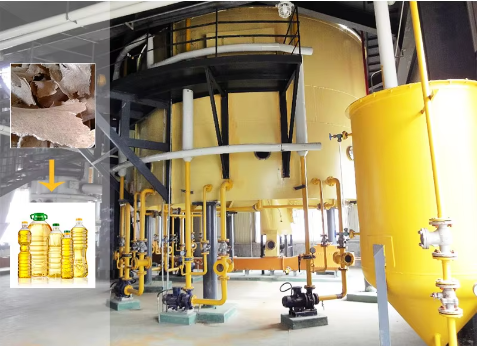
Mechanical Pressing and Solvent Extraction of Core Differences
| Evaluation Index | Mechanical Pressing | Solvent Extraction |
|---|---|---|
| Oil Yield | 60%–80% | 98%–99% |
| Solvent Residue Risk | None | Low (requires strict control) |
| Production Scale | Small to medium | Large-scale industrial |
| Nutrient Retention | High (especially cold pressing) | Low |
| Flavor | Rich peanut aroma | Light, neutral flavor |
| Initial Investment | Low | High |
Peanut Oil Refining
Crude peanut oil contains impurities such as gum, free fatty acids, and pigments. Refining processes include degumming to remove gum impurities, deacidification to neutralize free fatty acids, decolorization using activated clay to remove pigments, and deodorization to eliminate unpleasant odors, resulting in high-quality refined peanut oil.
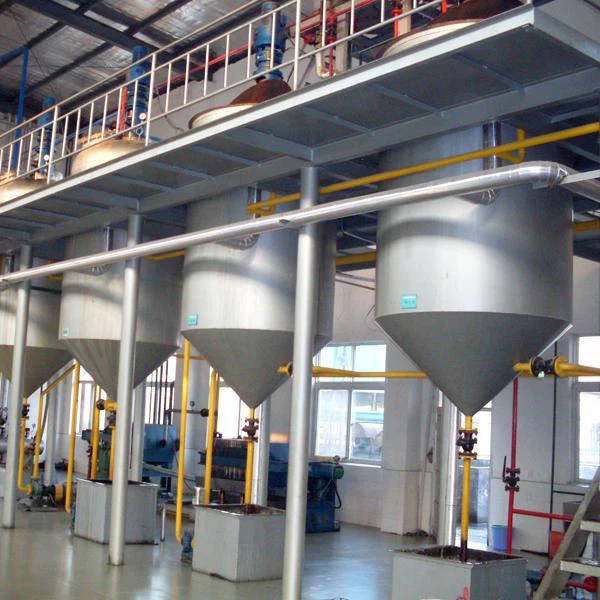
Degumming: Add water or dilute phosphoric acid to the crude oil, and the phospholipids in the oil will hydrate and precipitate, which is then removed by centrifugation. This step prevents the oil from foaming and producing precipitates during heating.
Deacidification: Neutralize the free fatty acids in the oil with alkaline substances (such as sodium hydroxide) to form soapstock, which is separated and removed. This step reduces the acidity of the oil and improves its storage stability.
Decolorization: Add activated clay or activated carbon to the deacidified oil, and adsorb the pigments (such as carotenoids, chlorophyll) in the oil under heating and stirring conditions, then filter to obtain light-colored oil.
Deodorization: Put the decolorized oil into a deodorization tower, and use high-temperature (220–260°C) and high-vacuum conditions to remove the odorous substances and trace harmful components in the oil, resulting in refined peanut oil with a pure taste.
Cooling and Packaging: Cool the refined peanut oil to room temperature, filter it again, and then fill it into barrels or bottles for finished product packaging.
Peanut Oil Processing Plant Setup & Equipment Selection
The scale of your plant determines the location, equipment, and investment. Choose between mechanical pressing (small/medium) and solvent extraction (large-scale) based on your budget and market demand.
| Scale | Daily Processing Capacity | Location Requirements | Core Equipment | Estimated Initial Investment |
|---|---|---|---|---|
| Small-Scale | 1–10 tons | Close to peanut sources; 100–300 ㎡ workshop; basic water/electricity supply | Vibrating screen, peanut sheller, screw oil press, plate-and-frame filter, small refining pot | $10,000–$50,000 |
| Medium-Scale | 10–50 tons | 500–1,000 ㎡ workshop; convenient transportation; sewage treatment facilities | Automatic cleaning line, flaking machine, cooking pot, high-efficiency screw press, continuous refining equipment | $50,000–$200,000 |
| Large-Scale (Industrial) | 50+ tons | 1,000+ ㎡ factory; industrial zone with complete utilities; solvent recovery system | Pre-pressing line, solvent extractor, evaporator, deodorization tower, fully automated refining line | $200,000–$1,000,000+ |
To start a peanut oil processing plant, you need know more about peanut oil processing technology. Contact QIE Group will give you professional introduction.
Peanut Oil Processing Plant FAQ
Q: Is solvent extraction safe for edible peanut oil?
A: Yes, provided strict process control is implemented. Food-grade n-hexane is the standard solvent, and modern plants use closed-loop solvent recovery systems (recovery rate >99%). International food safety standards require solvent residues in finished oil to be below 50 mg/kg, which is harmless to human health. Small-scale plants are not recommended to use this method due to high equipment and safety requirements.
Q: What machinery is essential?
A: Cleaning & Shelling: Cleaning sieves and magnetic separators to remove impurities; shelling machines to remove husks.
Pre-treatment: A roaster or cooker is critical for hot-pressing to adjust moisture and temperature (110–115°C) for maximum oil yield.
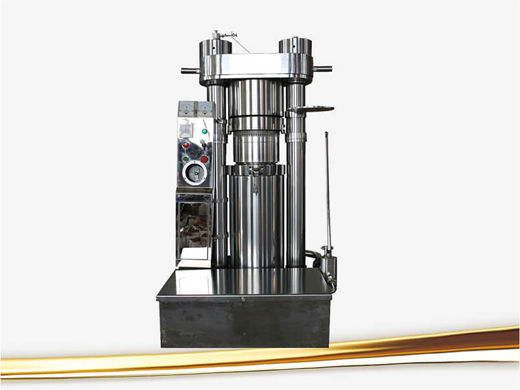
Extraction: Screw oil presses are standard for medium scales, while hydraulic presses are preferred for premium cold-pressed oil.
Filtration: A plate and frame filter press to remove solids and moisture.
Q: What are the production requirements?
A: Raw Materials: It takes approximately 22 lbs of in-shell peanuts to produce 1 gallon of oil.
Factory Site: A small-scale plant typically requires about 80 to 100 square meters with stable access to water and electricity.
Permits: You must obtain a local business license, health/sanitation certificates, and environmental permits.
Q: What are the biggest challenges?
A: Raw Material Costs: Agricultural shifts can lead to inconsistent costs for peanuts.
Safety Standards: Refined oil is generally allergen-safe, but cold-pressed varieties can trigger reactions, requiring strict labeling compliance.
Refining Complexity: If producing refined oil, you must use specialized tanks for degumming, neutralization, and deodorization to remove free fatty acids and odors.